

Sefton Coast Fieldwork Equips Geographers with Vital Real-World Skills
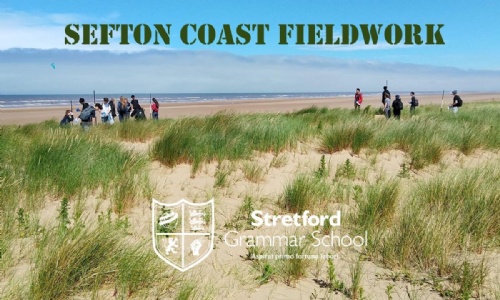
Year 10 and Year 12 Geography students recently swapped the classroom for the coastline, embarking on a compulsory fieldwork expedition to the sand dunes at Ainsdale on the Sefton Coast.
While the trip directly supports academic progression, the benefits of geography fieldwork extend far beyond the parameters of examination papers. Fieldwork provides students with a unique opportunity to bridge the gap between textbook theory and reality. By stepping out into the environment, young people develop critical spatial awareness, teamwork, and environmental literacy. They learn to navigate unpredictable environments, solve problems collectively, and view landscapes through an analytical lens—skills that remain highly valuable throughout their lives and future careers.
For the Year 10 cohort, the investigation builds foundational skills required for the GCSE Geographical Applications examination, which constitutes 30% of their final grade. Meanwhile, Year 12 students utilised the excursion as vital preparation for their Year 13 Non-Examined Assessment (NEA). This independent project accounts for 20% of their final A-level mark and demands rigorous, self-directed data collection and analysis.
Curriculum Leader for Geography, Mr Whiting, emphasised the broader value of the experience:
"Fieldwork is the absolute cornerstone of a complete geographical education. Immersing students in the unique ecosystem of the Sefton Coast allows them to experience the dynamic nature of our environment firsthand. The independence, resilience, and analytical thinking they develop during these investigations are qualities that textbooks alone simply cannot replicate."
The data gathered during the coastal study will now form the basis of classroom analysis, ensuring students possess both the academic preparation and the practical confidence to succeed as global citizens.